

Hampton Landscape Services
Sign up now for summer service and enjoy a lush, beautiful yard all season long!
Get a Free QuoteLandscape Services Tailored for Hampton, Connecticut
Expert Care for Hampton’s Unique Landscapes
Hampton, Connecticut’s residential lawns face a distinct set of challenges shaped by the region’s climate and geography. Winters often bring heavy snowfall and icy conditions, leading to salt exposure from road treatments that can damage turf and ornamental plantings, especially in neighborhoods near Route 97 or around the scenic Pine Acres Lake. As summer arrives, periods of drought stress lawns, while mature tree canopies in areas like the vicinity of Goodwin State Forest create deep shade, making it difficult for grass to thrive. Sloped properties, common along the Natchaug River corridor, are also prone to soil erosion after spring rains. Our services are designed to address these local issues, ensuring your lawn remains healthy and resilient year-round. For more information about Hampton’s community and environment, visit the official town website.
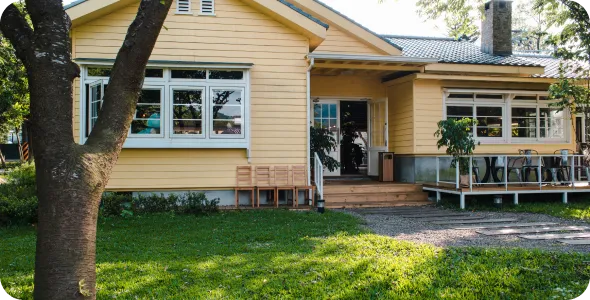
Our Hampton Landscaping & Yard Care Services
Hampton Gardening Services
Hampton Yard Clean Up
Why Choose Hampton Landscape Services

Hampton Homeowners Trust Us
-
Expert Lawn Maintenance
-
Reliable Seasonal Cleanup
-
Competitive Pricing
-
Professional Team
-
Satisfaction Guarantee
-
Personalized Service
Contact Your Local Hampton DPW or Parks Department for Green Waste Info
Proper green waste management is essential for maintaining both the health of Hampton’s landscapes and the quality of local water resources. The town offers seasonal curbside collection of grass clippings, leaves, and organic debris, typically from April through November, with specific collection days varying by neighborhood. Residents must use biodegradable paper bags for yard waste, as plastic bags are prohibited under Connecticut regulations. Bulk yard waste, such as brush and branches, can be dropped off at the town’s composting facility during posted hours, and a resident permit may be required for access. Free compost is often available to residents for use in home gardens. Commercial landscapers must register with the town and pay applicable disposal fees. It is strictly prohibited to dispose of lawn waste in streets, storm drains, or regular trash, as this can lead to water quality violations and stormwater management issues. For detailed collection schedules and facility hours, contact:
Hampton CT Public Works
164 Main Street, Hampton, CT 06247
Phone: (860) 455-9132
Official Website: Hampton CT Public Works
Lawn Care Regulations & Permits in Hampton, CT
Lawn care in Hampton is governed by a comprehensive framework of state and local regulations designed to protect the environment and public health. Connecticut law restricts phosphorus fertilizer use except for new lawns or when a soil test indicates a deficiency, and mandates buffer zones of at least 25 feet from water bodies. Nitrogen content in fertilizers is also regulated, with slow-release formulations encouraged. Pesticide application by commercial operators requires licensing through the Connecticut Department of Energy and Environmental Protection (DEEP), and notification is mandatory near sensitive sites such as schools. Outdoor watering is subject to local restrictions, especially during droughts, with odd/even address systems and time-of-day limits enforced. Noise ordinances restrict the use of power equipment to between 7:00 AM and 8:00 PM on weekdays. Commercial lawn care providers must register with the town, maintain liability insurance, and comply with worker safety standards. For permit applications and regulatory guidance, contact:
Hampton CT Building Department
164 Main Street, Hampton, CT 06247
Phone: (860) 455-9132
Official Website: Hampton CT Building Department
For state-level regulations, consult:
Connecticut Department of Energy and Environmental Protection
79 Elm Street, Hartford, CT 06106
Phone: (860) 424-3000
Official Website: Connecticut DEEP
What Neighborhoods Do We Serve in Hampton, CT?
Hampton’s diverse neighborhoods each present unique lawn care challenges and opportunities. Service areas include:
- Central Hampton Village: Features historic homes with mature shade trees and compacted glacial till soils, requiring core aeration and shade-tolerant grass species.
- North Hampton: Rural properties with sandy loam soils, prone to drought stress and nutrient leaching, best managed with deep-rooted turfgrasses and organic amendments.
- South Hampton: Newer subdivisions with engineered fill and moderate drainage, where soil testing is essential to determine nutrient needs.
- East Hampton: Proximity to wetlands and conservation areas necessitates strict buffer management and organic practices.
- West Hampton: Larger lots with mixed sun and shade, requiring customized mowing and irrigation schedules.
- Hampton Hill Historic District: Subject to architectural review and historic landscaping standards, with emphasis on traditional grass species and minimal chemical use.
- Lakeside Communities: Properties near Pine Acres Lake face unique challenges from fluctuating water tables and require careful fertilizer management to prevent runoff.
- Outlying Rural Areas: Larger acreages with variable soils and seasonal occupancy patterns, often requiring flexible maintenance schedules.
Partnering With Hampton’s Conservation/Environmental Department for Sustainable Landscaping
Collaboration with Hampton’s Conservation Commission ensures that all landscaping activities comply with Connecticut’s environmental protection laws, particularly regarding wetlands and water quality. Buffer zones must be maintained around streams and wetlands, and fertilizer and pesticide use is restricted in these sensitive areas. Erosion control measures are required during lawn renovation projects to prevent sediment runoff. Sustainable landscaping practices, such as integrating native plants, installing rain gardens, and using organic mulches, are encouraged to support local biodiversity and improve stormwater management. The Commission also supports community tree planting and green space initiatives. For guidance on environmental compliance and sustainable landscaping, contact:
Hampton CT Conservation Commission
164 Main Street, Hampton, CT 06247
Phone: (860) 455-9132
Official Website: Hampton CT Conservation Commission
Top Hampton Lawn Problems (and How We Solve Them)
Hampton’s climate and soils present several common lawn care challenges:
- Snow mold (gray and pink) after prolonged snow cover
- Soil compaction from clay-rich glacial till, requiring annual aeration
- Salt damage along roads from winter de-icing
- Grub infestations (Japanese beetle, European chafer)
- Brown patch and dollar spot fungus during humid summers
- Acidic soils necessitating periodic lime applications
- Shade stress under mature tree canopies
Science-based solutions include regular soil testing through the University of Connecticut Extension Service, targeted fertilization based on test results, integrated pest management (IPM) to minimize pesticide use, and selection of disease-resistant grass cultivars suitable for USDA Zone 6b. Proper mowing height, deep but infrequent irrigation, and seasonal overseeding are also recommended best practices.
What Makes Lawns in Hampton Different From the Rest of Connecticut?
Hampton’s lawns are shaped by unique regional characteristics. The town is located in USDA Hardiness Zone 6b, with a growing season from late April to mid-October. Soils are predominantly glacial till with moderate to high acidity, requiring regular lime applications. The area’s microclimate is influenced by its rural setting, with cooler nights and less urban heat island effect than nearby cities. Seasonal water table fluctuations and proximity to wetlands necessitate careful drainage management. Pest pressure from grubs and fungal diseases is higher due to the region’s humidity and soil type. Historic land use patterns, including former agricultural fields, have left some areas with compacted or nutrient-depleted soils. These factors require tailored lawn care approaches distinct from other parts of Connecticut.
Supporting Local Events in Hampton With Lawn Expertise
Professional lawn care services play a vital role in preparing Hampton’s public spaces for community events, including seasonal festivals on the town green, youth sports leagues, and school programs. The Parks & Recreation Department coordinates field maintenance, turf renovation, and beautification projects for parks and playgrounds. Volunteers and local organizations often participate in community cleanup days and Arbor Day plantings. After severe weather events, such as nor’easters or ice storms, lawn care teams assist with debris removal and restoration of public grounds. Educational workshops on sustainable landscaping are offered in partnership with the University of Connecticut Extension and local garden clubs. For event coordination and volunteer opportunities, contact:
Hampton CT Recreation Commission
164 Main Street, Hampton, CT 06247
Phone: (860) 455-9132
Official Website: Hampton CT Recreation Commission
Eco-Friendly Landscaping Backed by Hampton’s Green Initiatives
Hampton is committed to sustainability through the adoption of eco-friendly landscaping practices. The town encourages the use of electric and battery-powered equipment to reduce emissions and noise, and supports composting and grasscycling to minimize green waste. Water conservation is promoted through smart irrigation technology and rain sensors, even though the region is not typically drought-prone. Organic lawn care methods, such as incorporating compost and using biological pest controls, are recommended to protect pollinators and local biodiversity. The town’s climate action plan aligns with Connecticut’s greenhouse gas reduction targets, and residents are encouraged to participate in tree planting and renewable energy initiatives. For more information on sustainability programs, consult:
Hampton CT Public Works
164 Main Street, Hampton, CT 06247
Phone: (860) 455-9132
Official Website: Hampton CT Public Works
Proudly Serving These Streets and Areas in Hampton
Lawn care services in Hampton cover all major neighborhoods, subdivisions, and rural areas, including:
- Main Street and the Central Village area
- North Bigelow Road and surrounding rural properties
- South Hampton Road subdivisions
- East Old Route 6 near conservation lands
- West Windham Road and adjacent neighborhoods
- Hampton Hill Historic District
- Communities along Pine Acres Lake
- Areas surrounding Burnham Woods and the town green
- Properties near Hampton Elementary School
- Outlying areas along Route 97 and Route 6
Special considerations are given to properties within conservation zones, historic districts, and areas with seasonal access limitations. Homeowner association requirements and local ordinances are always observed to ensure compliance and community standards are met.
For further guidance on lawn care regulations, environmental protection, and municipal services, residents and professionals are encouraged to consult the following resources: